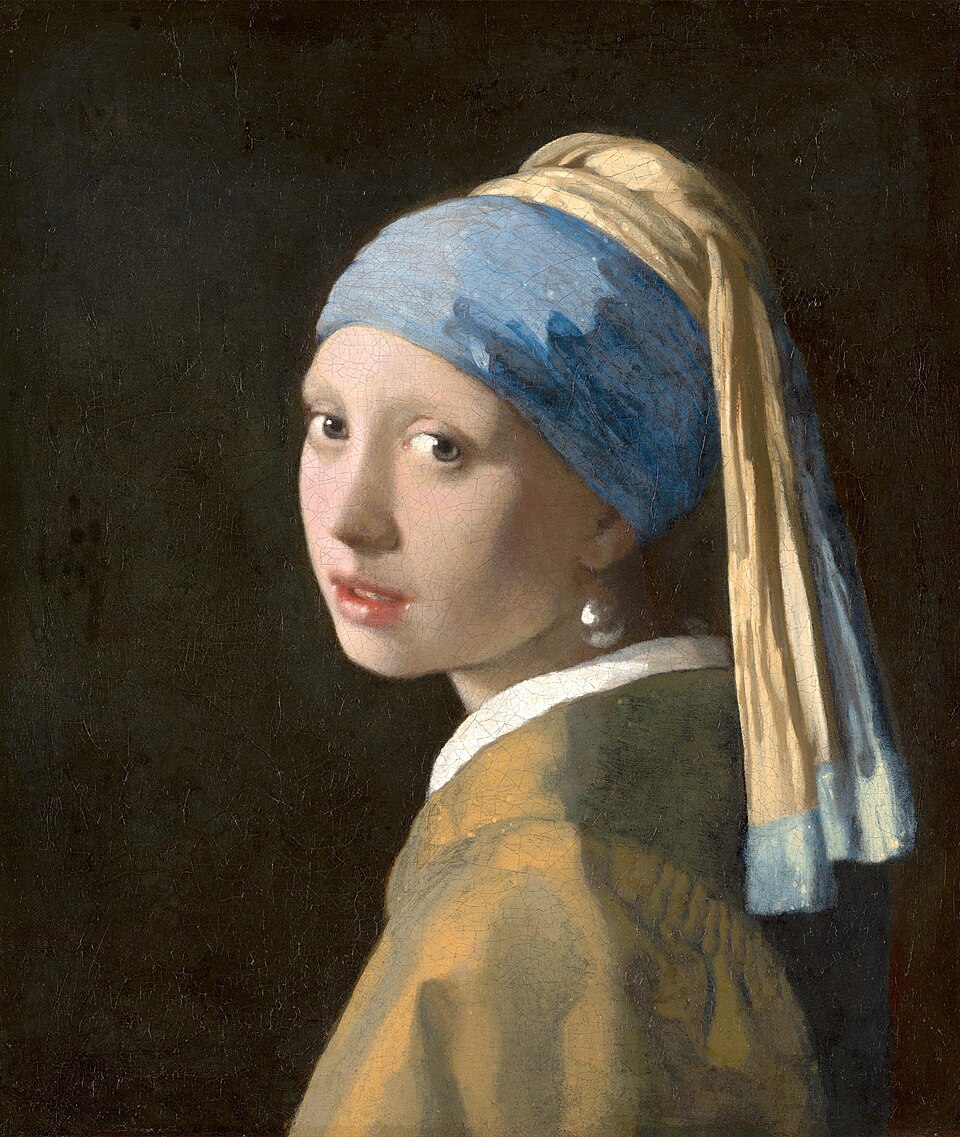
Girl with a Pearl Earring
The background was never a void. Two pigments faded over 350 years and erased a deep green curtain. Vermeer painted her in front of fabric, not emptiness.
Read the layers →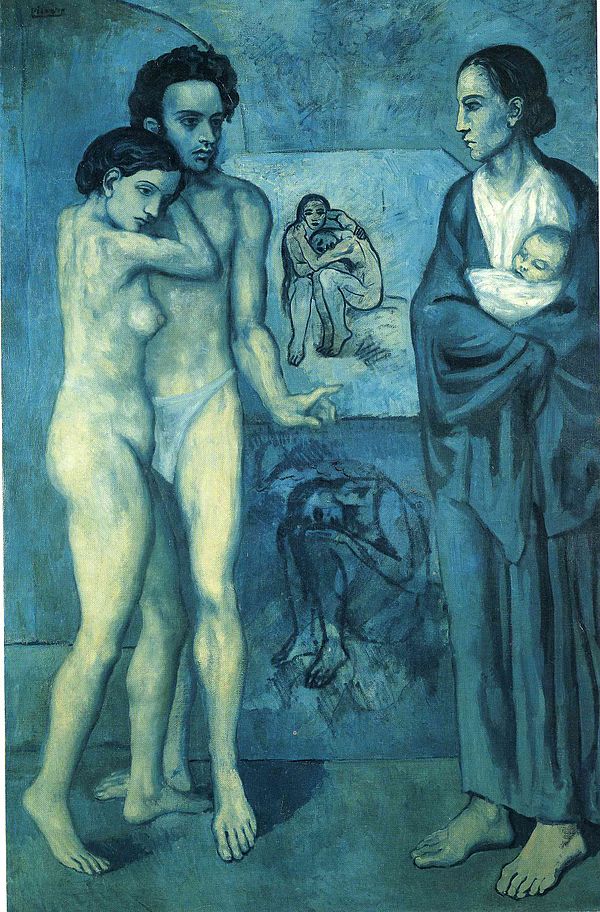
La Vie
Picasso painted over his own face. X-rays reveal a self-portrait beneath the anonymous man. He replaced himself with the dead friend whose suicide haunted him.
Read the layers →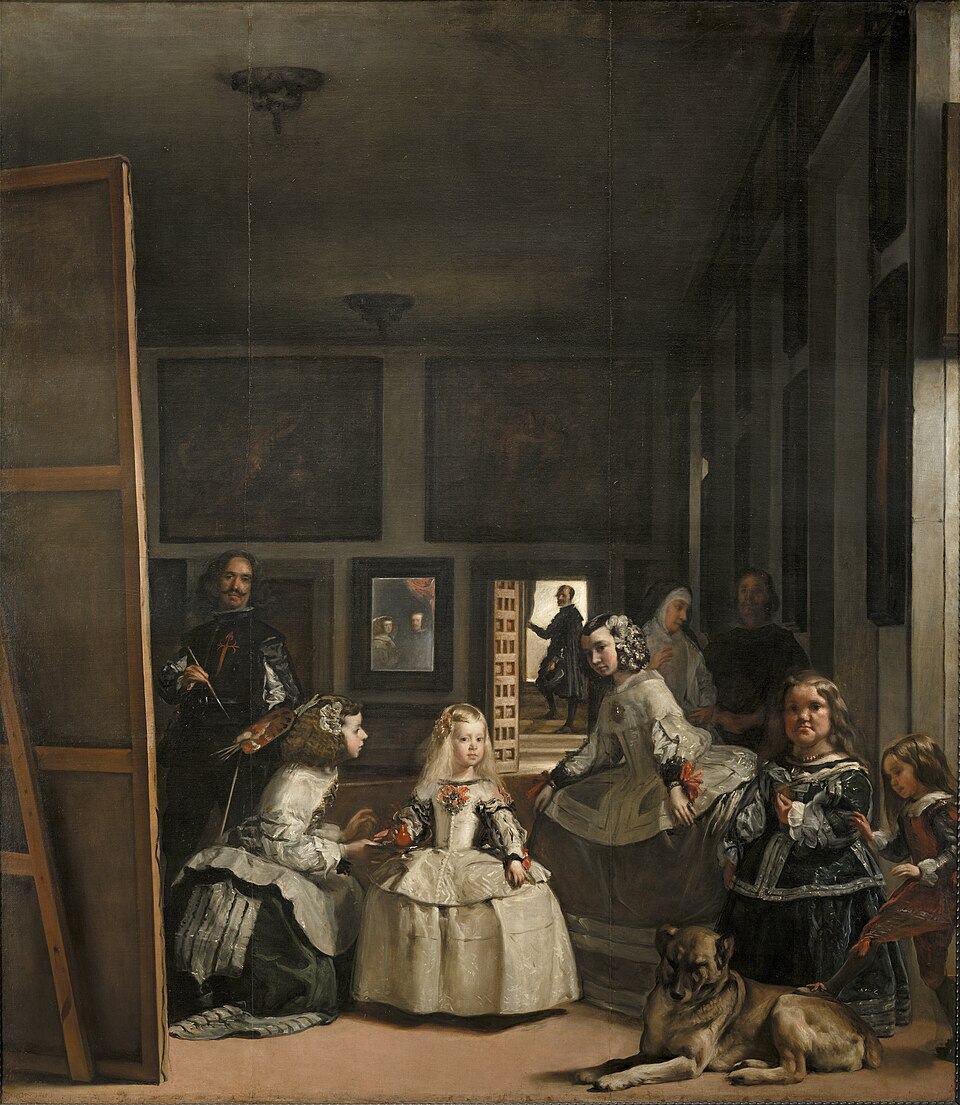
Las Meninas
The knighthood cross on his chest was not in the original painting. He received it three years later and went back to add it. Some believe King Philip IV painted it himself.
Read the layers →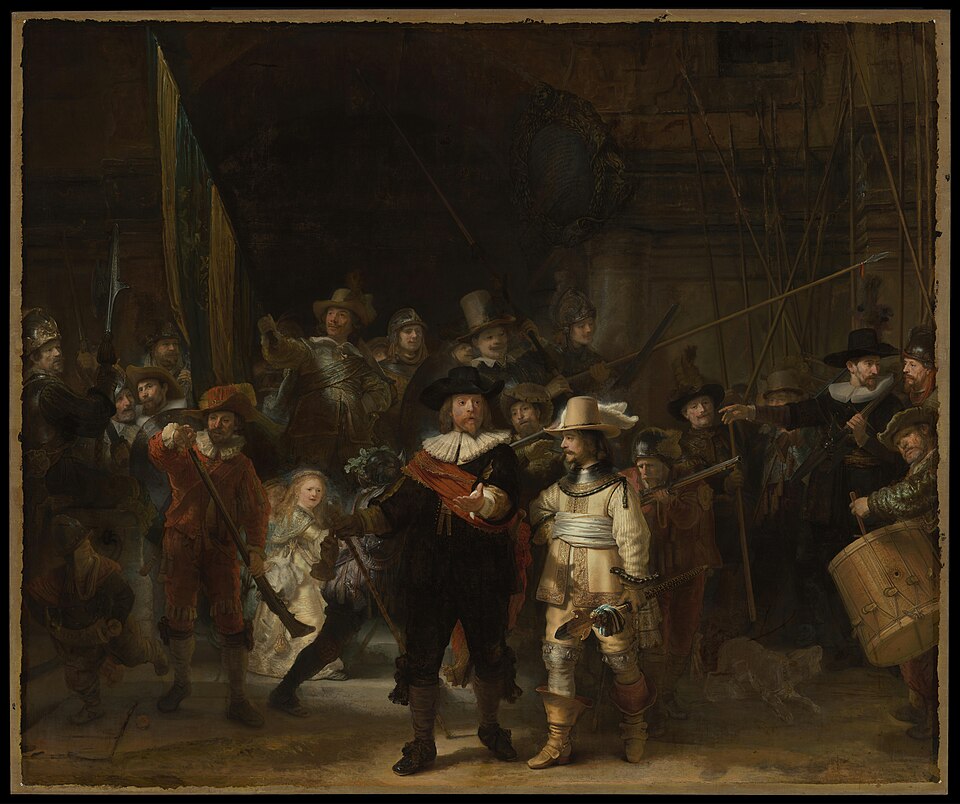
The Night Watch
It was never called The Night Watch. It was trimmed on all four sides to fit a doorway. Centuries of varnish turned daylight to darkness. His face was hidden in the crowd for 377 years.
Read the layers →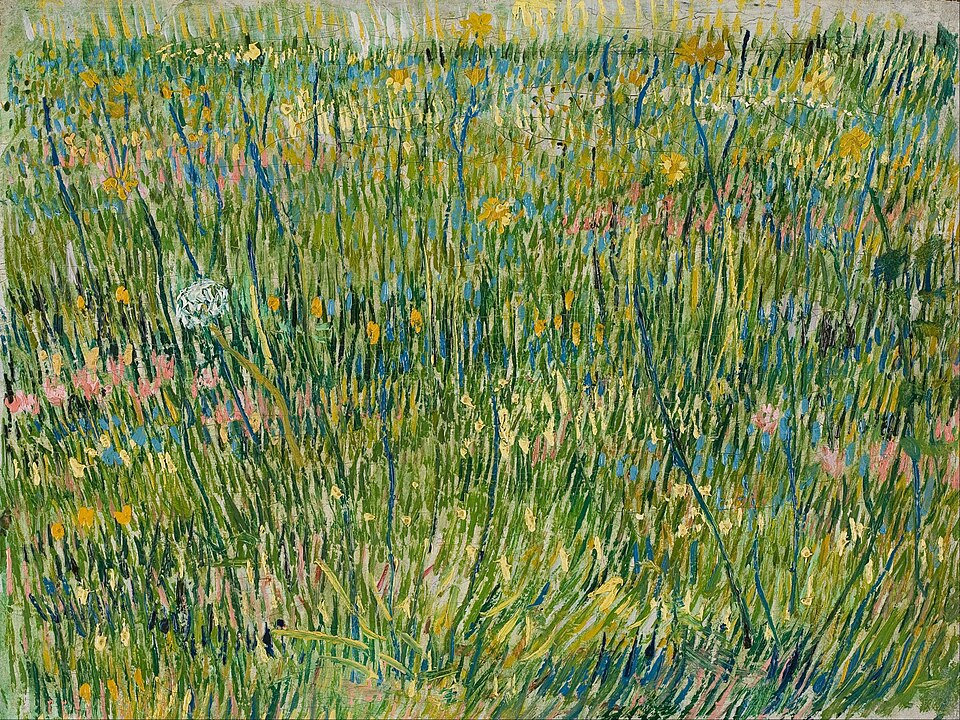
Patch of Grass
Poverty, not intention. He was reusing canvases he could not afford to replace. X-rays found a portrait of a peasant woman buried beneath the Paris landscape.
Read the layers →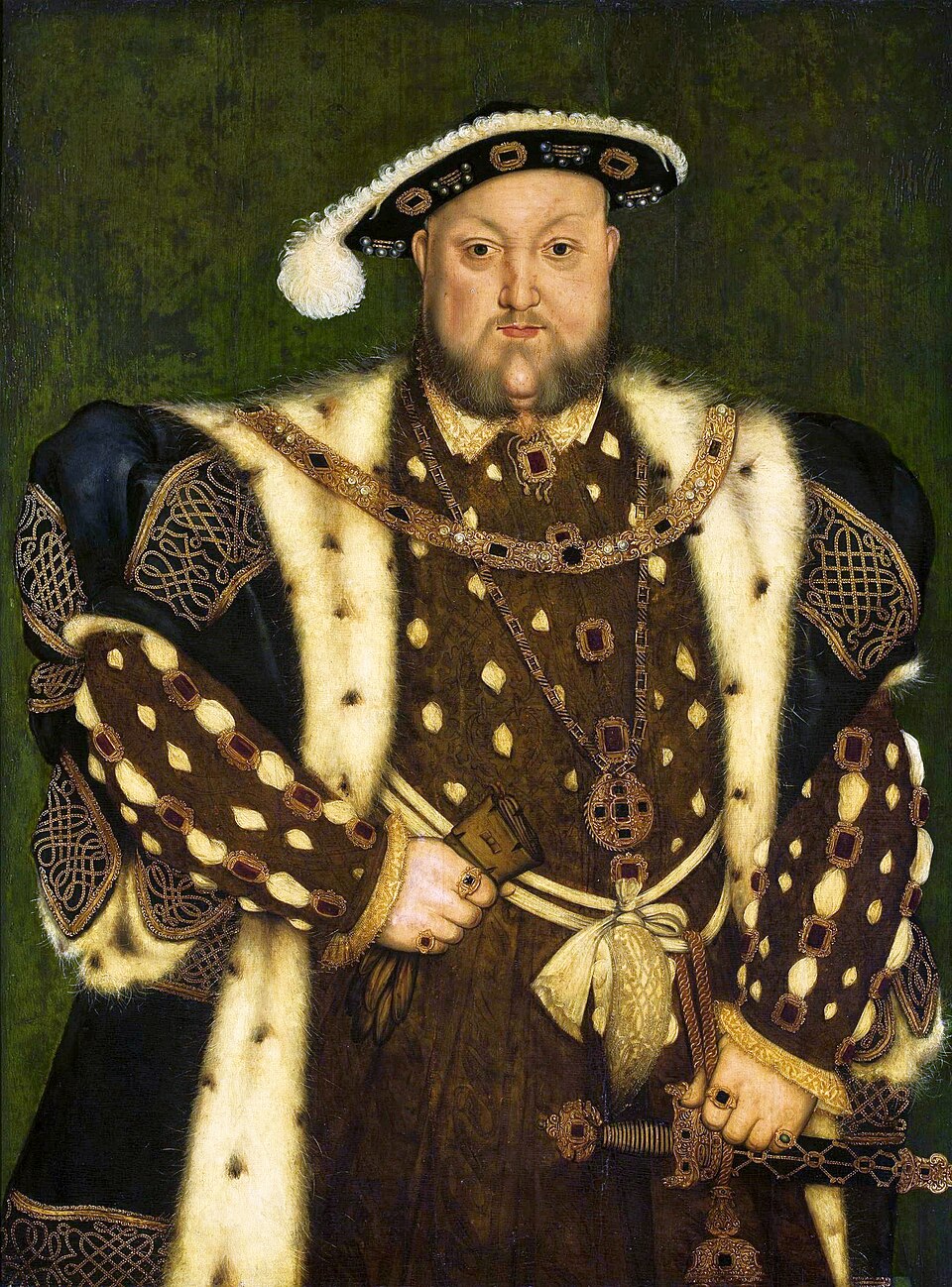
Portrait of Henry VIII
Holbein’s preparatory cartoon proves he expanded the king’s body. Henry was drawn thin, then painted wide. The pentimento as political performance.
Read the layers →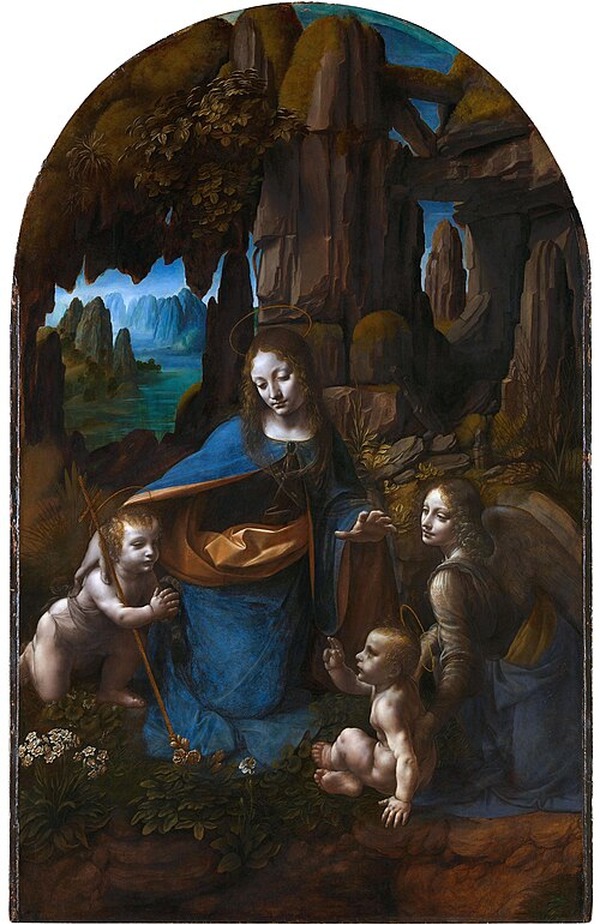
Virgin of the Rocks
Two versions of the same painting. One angel points, the other does not. The commission fractured, the theology shifted, and Leonardo painted the same scene twice over twenty-five years.
Read the layers →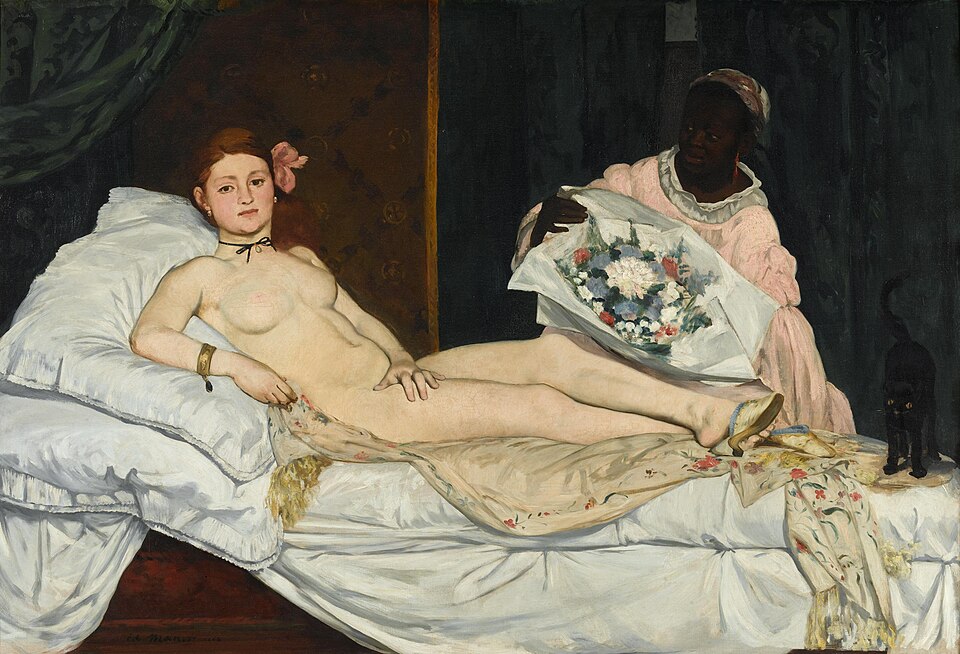
Olympia
She is looking at you. Not past you, not through you. At you. In 1865, that was enough to nearly destroy a career and rewrite the rules of European painting.
Read the layers →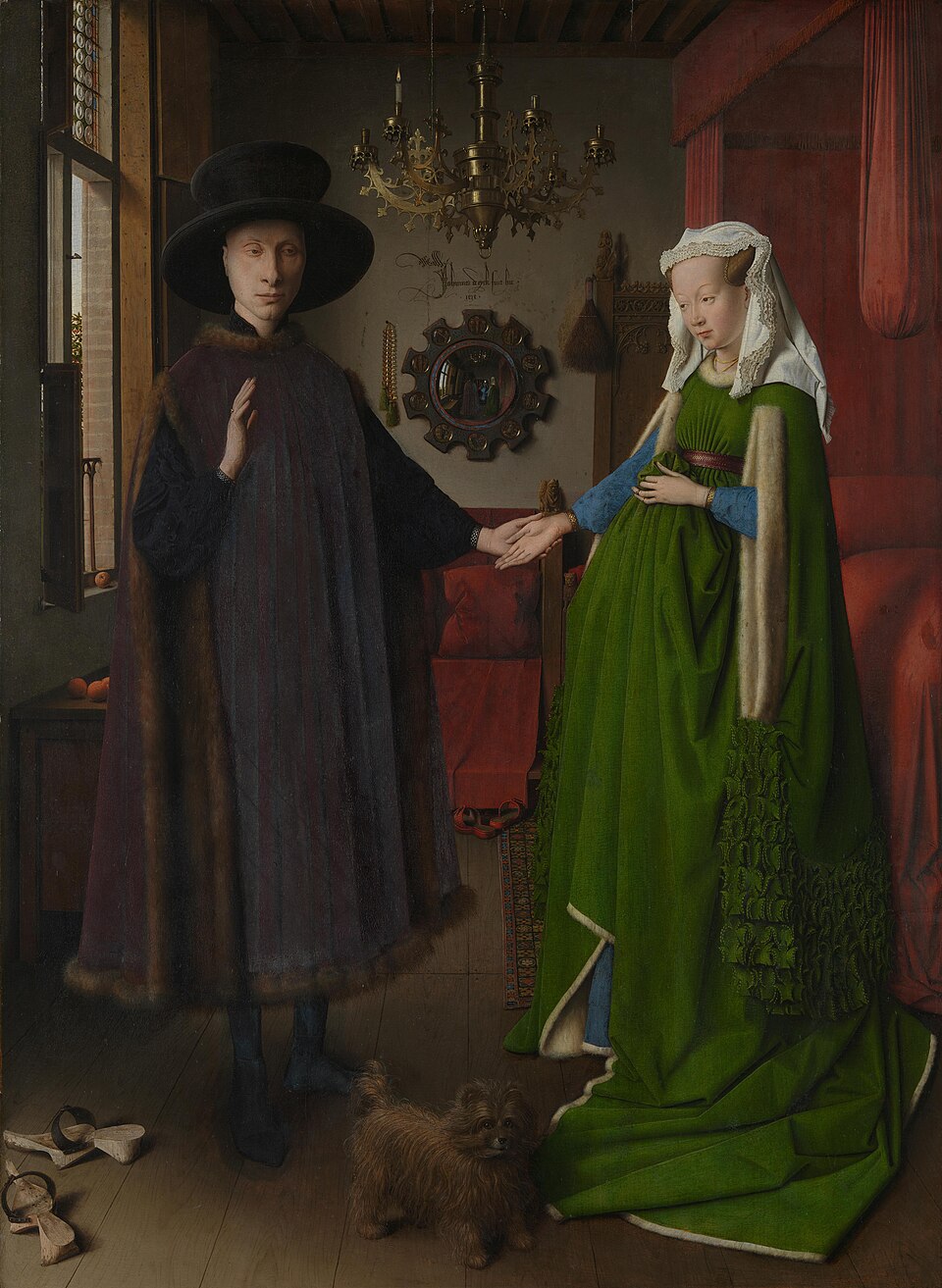
The Arnolfini Portrait
The mirror shows two figures who are not in the room. Above it, Van Eyck wrote "Jan van Eyck was here." A legal witness. A painting as a signed document.
Read the layers →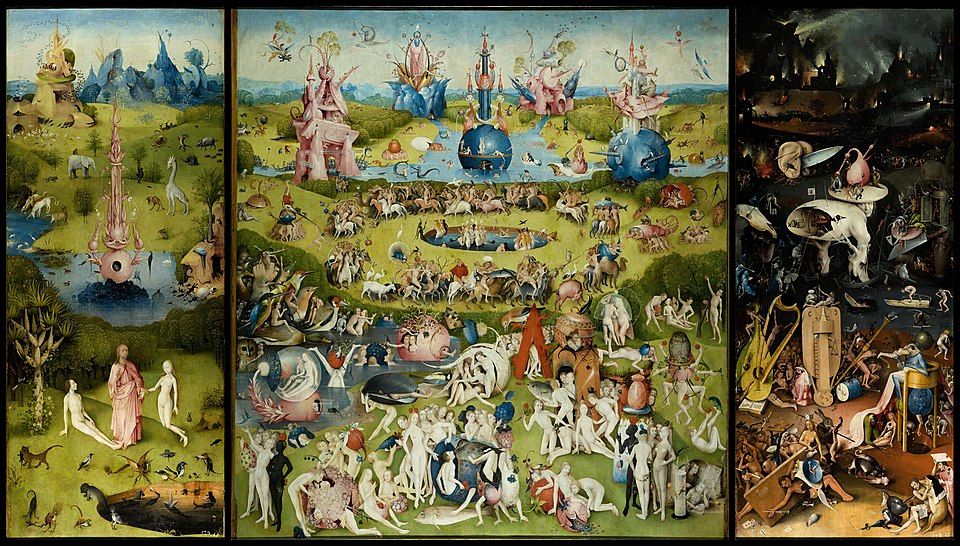
The Garden of Earthly Delights
In the hell panel, a figure has music notation written on their body. In 2015, a student transcribed it. It is a real piece of music. It has been performed.
Read the layers →